Vessel Recovery
Marine vessel recovery is a critical operational component of maritime engineering, aimed at refloating and safely retrieving grounded, stranded, or sunken watercraft. Throughout the Mexican Caribbean, unexpected marine accidents can endanger coastal infrastructure, harbor fairways, and delicate coral reef environments. Grupo Eleven Solutions® provides specialized marine salvage and recovery operations, deploying technical bottom assessments and stabilization methodologies to recover vessels efficiently while mitigating ecological hazards along strategic regional coastlines.
Operating within dynamic coastal environments requires deep technical knowledge of underwater rigging, controlled buoyancy management, and vessel towing procedures. Whether an incident takes place in private marinas, navigation channels, or open water, our team approaches every scenario through systematic engineering planning. We factor in local bathymetry, current dynamics, and structural hull conditions to ensure the salvage operation proceeds without inflicting collateral damage on surrounding port infrastructure or environmentally sensitive coastlines.
What Is Technical Vessel Recovery?
Technical vessel recovery encompasses the strategic engineering procedures required to salvage vessels that have lost flotation, run aground on sandbars, or suffered total or partial submersion. The process integrates underwater structural inspections, underwater weight calculations, controlled lift bag deployment, and interim hull patching. The primary objective is to safely restore positive buoyancy or stabilize the hull, preparing the craft for transit without placing adjacent docks or maritime operations at risk.
Beyond safeguarding commercial and recreational marine assets, professional salvage is essential for coastal environmental preservation. A compromised vessel poses immediate threats of fuel leakage, hydrodynamic obstruction, and physical damage to seagrass meadows and reef structures. By applying rigorous marine engineering protocols, our team restores maritime order, helps operators meet regulatory compliance, and shields coastal developers, marinas, and local ecosystems from compounding liabilities.
Request a quote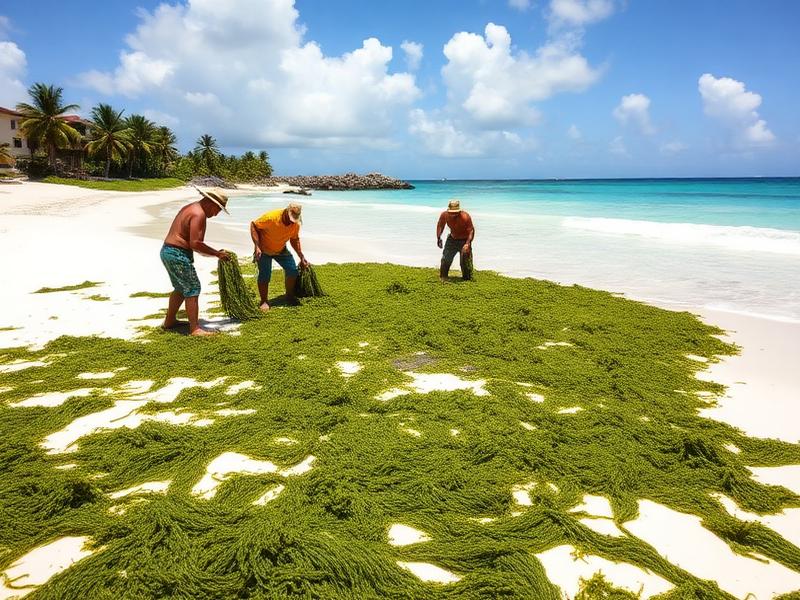
Our process Vessel Recovery
Underwater Assessment
We inspect the damaged hull, measure regional bathymetry, and assess sea bottom conditions to calculate necessary lifting force and engineer a precise recovery strategy.
Site Containment
Our team secures the vessel against wave displacement and implements containment measures to mitigate potential fuel or oil spills into surrounding waters.
Controlled Refloating
We utilize specialized subsea lift bags, controlled dewatering pumps, and rigging systems to restore positive buoyancy gradually without causing structural hull failure.
Towing and Securing
The recovered vessel is safely towed under controlled navigation to an authorized shipyard or marina facility, concluding with thorough post-salvage site clearance.
Benefits
Industries served
Coverage in Quintana Roo
We deliver vessel recovery services across Cancun, Playa del Carmen, Tulum, and the entire Riviera Maya in Quintana Roo. Leveraging specialized technical capabilities in the Mexican Caribbean, our maritime team intervenes swiftly in private marinas, public docks, and open coastal waters, ensuring prompt vessel retrieval while rigorously safeguarding neighboring beachfronts and natural marine reserves.
Frequently asked questions
What types of vessels can be recovered?
We handle recoveries for a broad range of craft, including recreational motor yachts, catamarans, service vessels, and tenders that are stranded, grounded, or submerged. Each salvage operation is tailored to the vessel's specific displacement and local seabed depth.
How do you prevent environmental damage during salvage?
We follow strict ecological guidelines, assessing hull containment points prior to lifting, avoiding sensitive coral structures with rigging lines, and maintaining spill containment readiness to safeguard local marine biodiversity throughout the recovery process.
Can a severely damaged hull still be refloated?
Yes. By executing localized temporary sealing, subsea lift bags, and high-volume dewatering, we re-establish sufficient buoyancy to lift the vessel off the seafloor and tow it safely to a dry dock or marine slip.
What key factors determine the recovery method?
The primary factors include water depth, sea currents, bottom topography, the extent of structural hull breach, and vessel displacement. These parameters dictate whether external lift bags, winching, or dewatering methods are required.
Need this service? Get expert advice with no obligation.
Request a quoteMore services in Maritime Engineering
Beach Restoration
Comprehensive coastal restoration and beach profile stabilization
Beach and Sargassum Cleaning
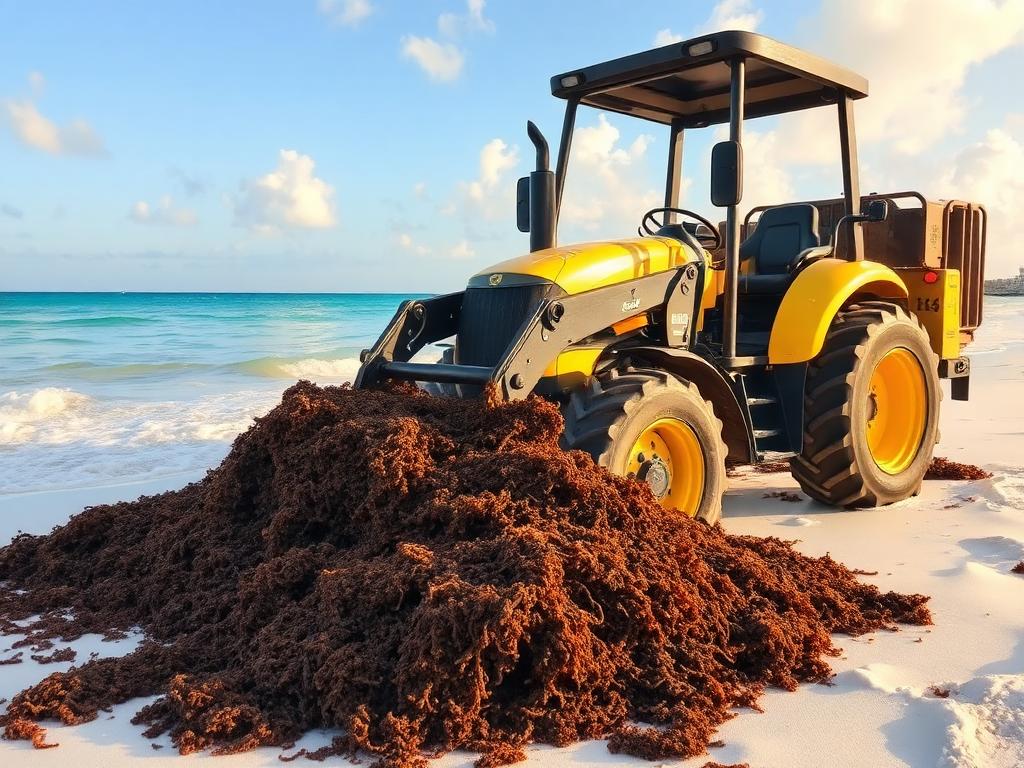
Advanced mechanical sargassum harvesting preserving native beach sand
Coastal Dune Reforestation
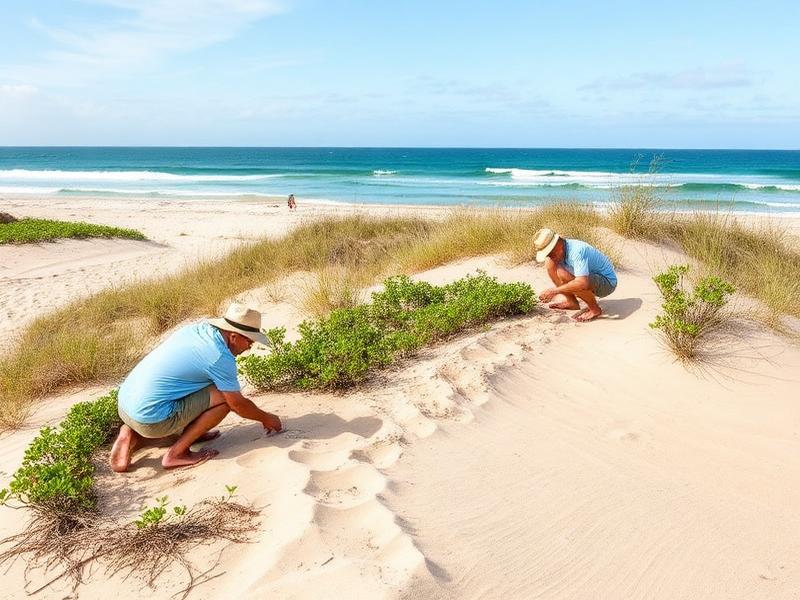
Ecological restoration and resilient shoreline protection systems
Sargassum Barriers
Floating marine containment barriers for luxury coastal hospitality
Oil Spill Barriers
Containment and dispersion systems for offshore oil spills
Marker Buoys
Marine demarcation systems for coastal safety and navigation
Water Hyacinth Control
Sustainable aquatic vegetation management for lagoons and cenotes
Environmental Management
Sustainable solutions for marine and coastal ecosystem preservation