Vapor Barriers
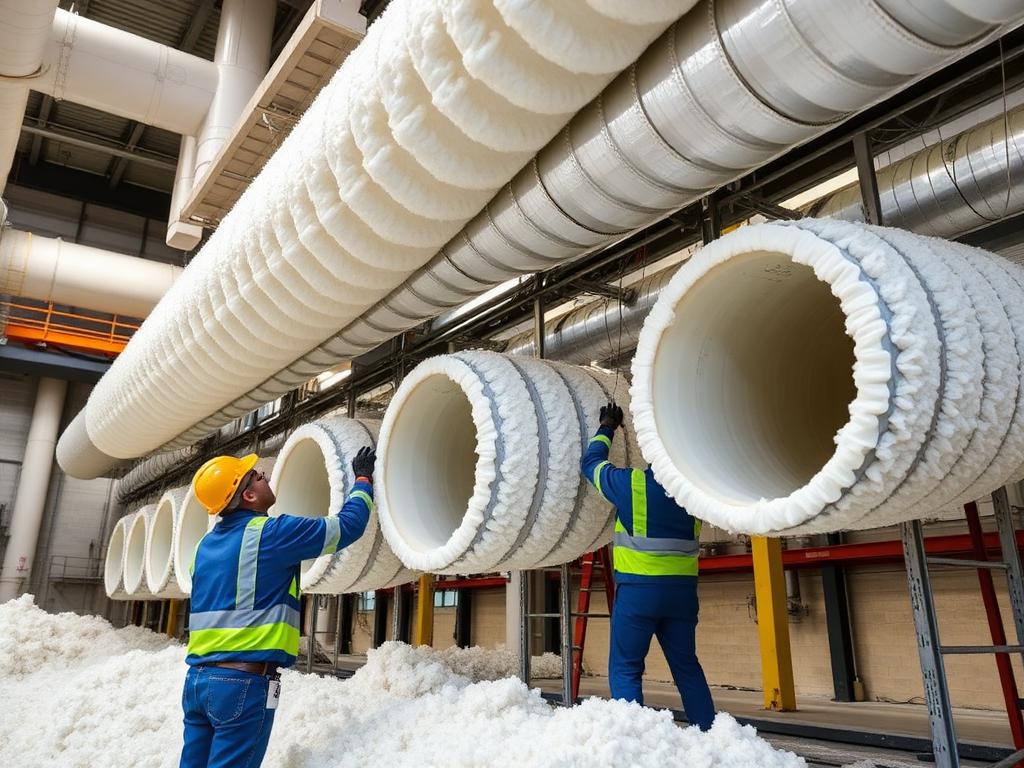
In commercial and industrial facilities with thermal insulation, comprehensive moisture control is vital to maintain building performance and structural stability. Grupo Eleven Solutions® installs specialized vapor barriers engineered to prevent water vapor from diffusing into insulated walls and ceilings. Designed to work seamlessly with our cellulose and polyurethane foam insulation systems, our vapor barriers safeguard building envelopes against interstitial condensation, rot, and moisture intrusion in high-humidity tropical and industrial environments.
Unchecked moisture transmission within building assemblies can degrade insulation values and lead to costly structural remediation. Our manufacturer-certified personnel utilize modern equipment and validated installation techniques to create a continuous, airtight vapor retarder. By protecting wall cavities and roof decks, we help maintain stable indoor conditions, prevent mold development, and support overall energy efficiency across diverse architectural envelopes in dynamic commercial and industrial sectors.
What Are Vapor Barriers and How Do They Work?
A vapor barrier is an impermeable membrane or coating designed to restrict the movement of water vapor through building assemblies, walls, and roofs. In climates with substantial temperature and moisture differentials, water vapor naturally diffuses toward cooler, conditioned zones. If this migrating vapor enters an assembly without a proper barrier, it reaches its dew point and condenses into liquid water inside the wall, a phenomenon known as interstitial condensation.
By placing a continuous, hermetically sealed vapor barrier on the appropriate side of the thermal-acoustic assembly, moisture migration is intercepted before it reaches polyurethane foam or fire-retardant cellulose. This critical protection keeps insulation cores dry, preserving their ability to provide energy savings of up to 40% and noise reduction of up to 80%. Consequently, building components remain protected from structural corrosion, moisture decay, and microbial contamination over time.
Request a quote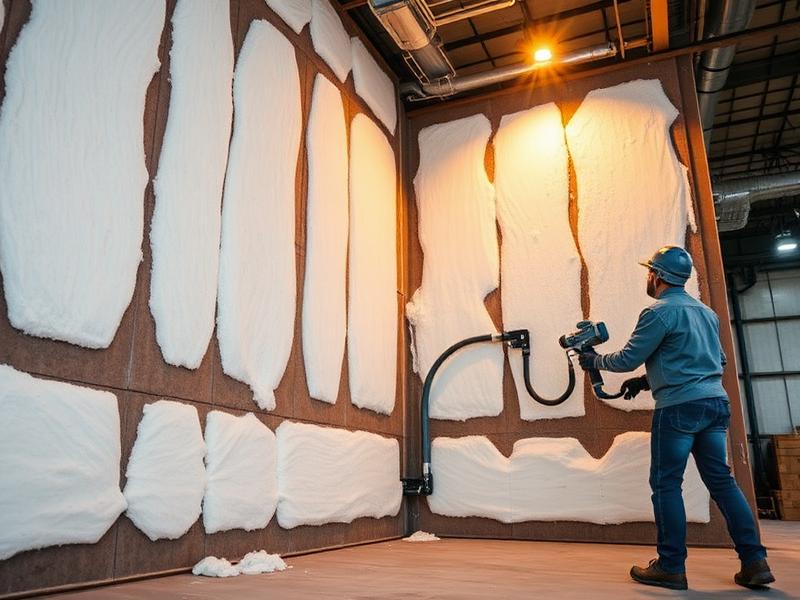
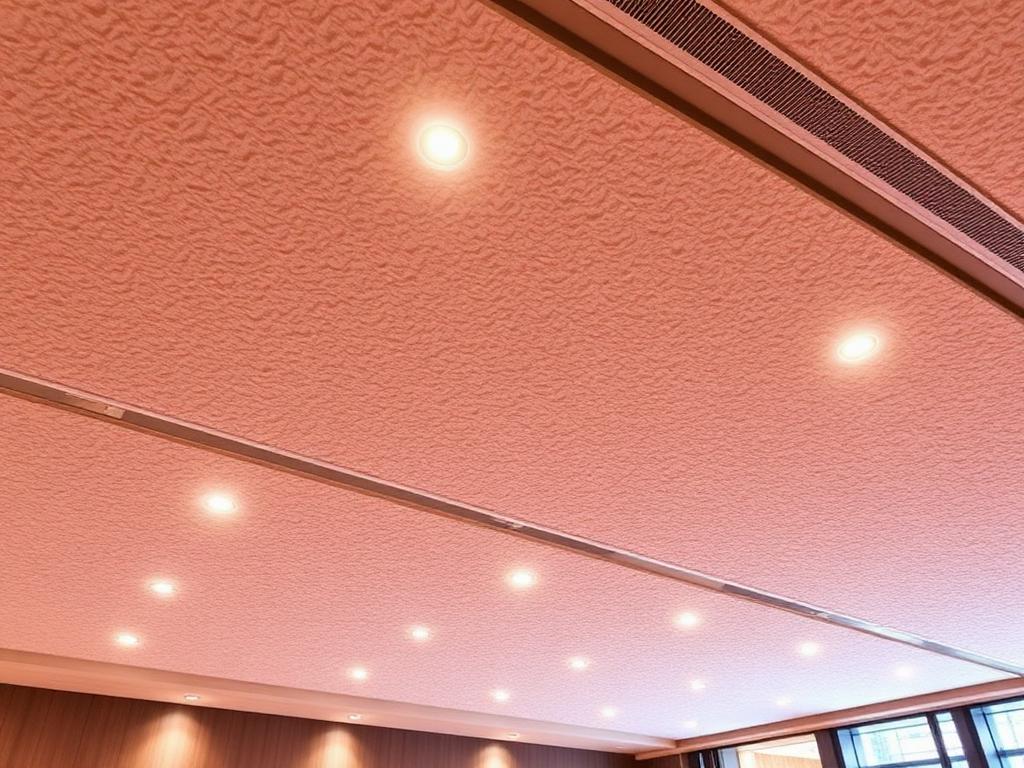
Our process Vapor Barriers
Hygrothermal Assessment
We inspect structural assemblies, local humidity patterns, and thermal gradients to determine the exact boundary where the vapor barrier must be positioned to prevent dew-point condensation.
Substrate Preparation
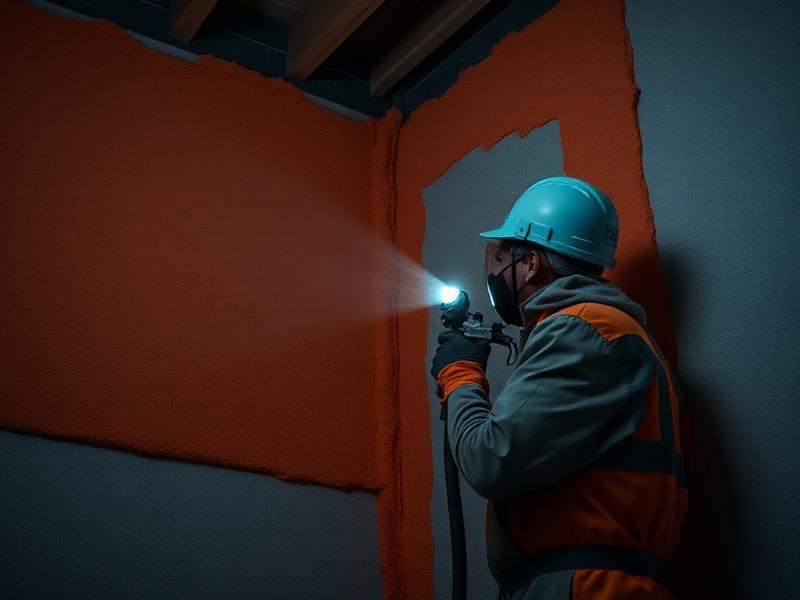
Surfaces are thoroughly cleaned, repaired, and leveled, ensuring that substrates are free of dust, sharp protrusions, or contaminants that could puncture the barrier material during installation.
Membrane Installation and Sealing
We install the vapor barrier with engineered overlapping seams, taping and mechanically fastening all penetrations, joints, and interfaces to achieve complete airtight and moisture-resistant continuity.
Insulation Integration
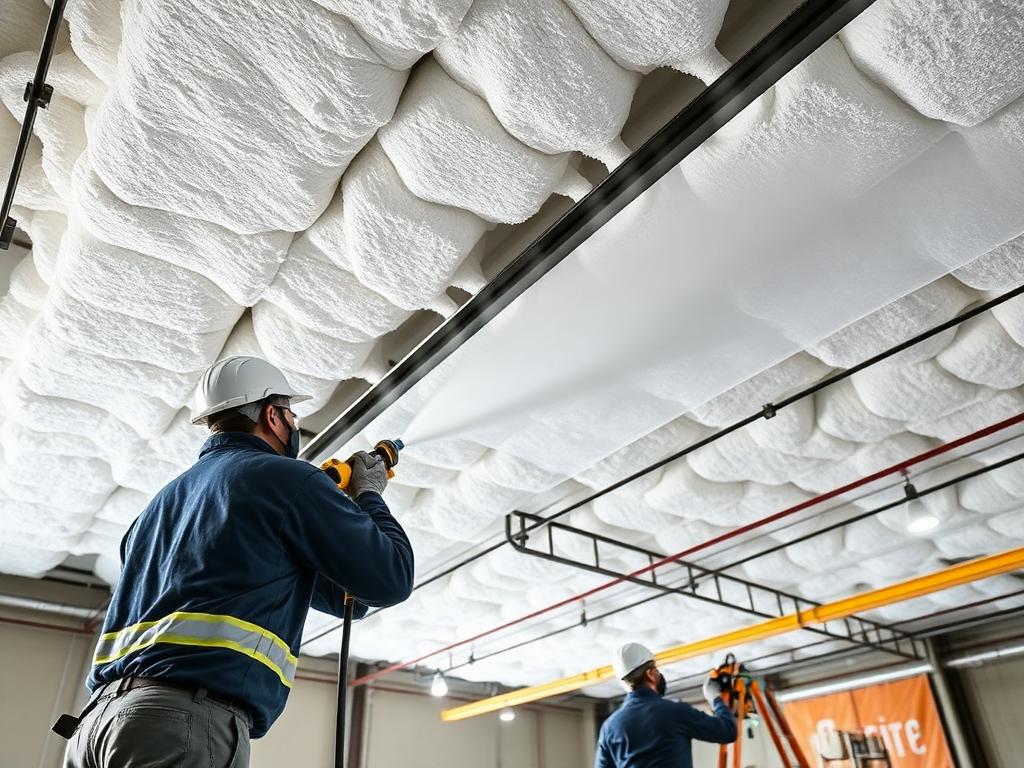
The installed barrier is integrated with our spray-applied polyurethane foam or cellulose systems, completing a robust building envelope verified against rigorous technical standards and manufacturer guidelines.
Benefits
Industries served
Coverage in Quintana Roo
In Cancun, Playa del Carmen, Tulum, Riviera Maya, and Quintana Roo, the coastal tropical climate exposes buildings to extreme humidity and heat. Grupo Eleven Solutions® provides specialized vapor barrier installations engineered to counter these challenging conditions, safeguarding luxury resorts, commercial properties, and industrial facilities against interstitial condensation while maximizing envelope durability and thermal efficiency across the region.
Frequently asked questions
What is interstitial condensation and why is it problematic?
Interstitial condensation is moisture that forms unseen inside structural wall or roof cavities when warm, humid air reaches cooler interior layers. It damages building materials, degrades thermal insulation, causes corrosion on structural fasteners, and promotes mold growth behind finished surfaces.
Where should the vapor barrier be positioned in hot, humid climates?
In warm, humid zones like the Mexican Caribbean, vapor barriers are typically installed toward the exterior side of the insulation layer. This configuration prevents outdoor moisture from penetrating inward toward conditioned, air-cooled spaces. Our certified specialists confirm placement per project specifics.
Can vapor barriers be integrated with cellulose and polyurethane foam?
Yes. Vapor barriers complement our fire-retardant cellulose and spray polyurethane foam insulation systems. By keeping the insulation dry, the barrier ensures the system maintains its performance, including energy savings of up to 40% and noise reduction of up to 80%.
What credentials does Grupo Eleven Solutions® bring to installation?
Our team operates with manufacturer-certified personnel and systems backed by national and international certifications. We use modern equipment to ensure every vapor barrier installation meets strict standards for envelope protection, energy efficiency, and fire safety across commercial and industrial projects.
Need this service? Get expert advice with no obligation.
Request a quoteMore services in Thermal-Acoustic Insulation
Polyurethane Foam
Closed-cell spray thermal insulation for maximum efficiency
Fire-Retardant Cellulose
Eco-friendly insulation delivering superior thermal and acoustic comfort
K-13 System
High-performance decorative acoustic and thermal spray insulation
Celbar System
Fire-retardant cellulose acoustic insulation for commercial spaces
SonaSpray-FC
Spray-applied acoustic insulation for high ceilings and reverberation
Industrial Insulation
Thermal efficiency and energy management for industrial equipment